

 See My Latest Article on HelloNation
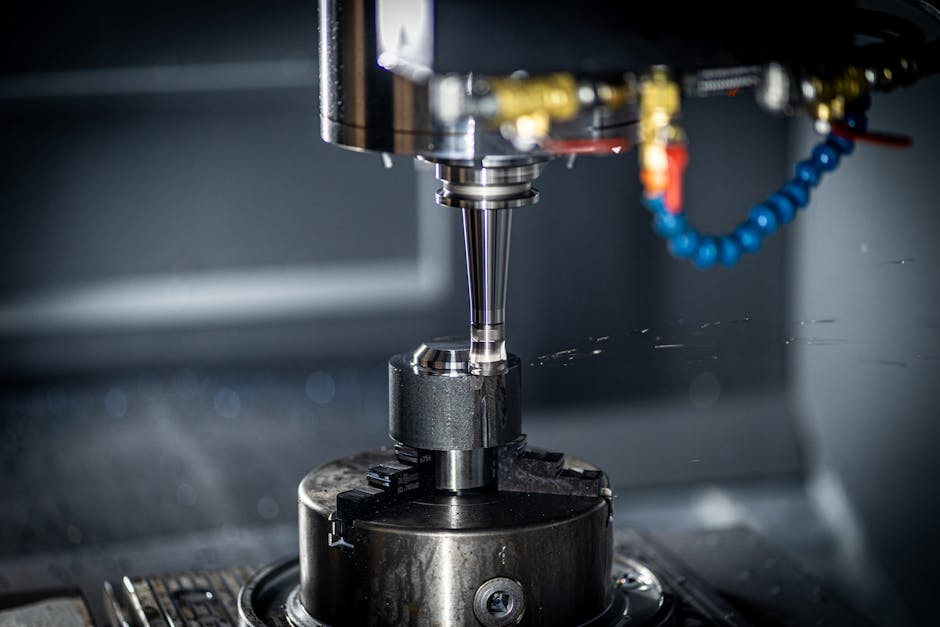
Are you interested in learning about CNC milling but not sure where to begin? Whether you’re a hobbyist, a student, or looking to start a career in manufacturing here in Grand Rapids, MI, this beginner’s guide will help you understand the essentials of CNC milling and how it fits into our community’s unique mix of industry, creativity, and innovation.
What is CNC Milling?
CNC milling is a subtractive manufacturing process that uses computer-controlled rotary cutters to remove material from a workpiece, shaping metal, wood, or plastic into useful parts. The “CNC” part stands for Computer Numerical Control, which means that computers execute precise instructions to mill parts with accuracy humans simply can’t match. In a city like Grand Rapids, where manufacturing heritage meets a growing tech and design scene, CNC milling bridges the gap between traditional craftsmanship and modern automation.
Why CNC Milling Matters in Grand Rapids
With a local economy firmly rooted in both advanced manufacturing and creative industries, Grand Rapids is home to industries ranging from furniture makers to aerospace suppliers. Hobbyists tinker in garage workshops, schools invest in STEM programs, and tech startups merge art and engineering. CNC milling enables all of these players to prototype, create, and produce with speed and precision—amplifying the region’s “makers’ spirit.”
How Does a CNC Mill Work?
At its core, a CNC mill works by translating a digital design—usually made in CAD (Computer-Aided Design) software—into specific instructions for the cutting machine. Here’s the basic workflow:
1. Design the Part: Create a digital drawing or 3D model using software like Fusion 360 or SolidWorks.
2. CAM Programming: Use CAM (Computer-Aided Manufacturing) software to generate toolpaths, which dictate how the mill will move and cut.
3. Setup: Secure your material (stock) onto the milling machine’s bed and load the correct cutting tools.
4. Machining: Load the CNC code (G-code) and execute the job. The CNC mill follows the code to cut, drill, and shape the part.
5. Finishing: After milling, additional steps like deburring or surface finishing may be required.
Types of CNC Milling Machines
If you’ve peeked into a local makerspace or a high school shop class in Kent County, you’ve likely seen at least one of these machines:
- Vertical Mills: The most common for beginners, these have a vertical spindle and are relatively easier to program and operate for small shops or schools.
- Horizontal Mills: Used for heavier, more complex jobs, these machines have a horizontal cutting spindle.
- Multi-Axis Mills: For advanced applications, multi-axis mills (such as 4- or 5-axis) offer greater flexibility but come with a steeper learning curve and higher cost.
Common Materials for CNC Milling
Part of the fun of CNC milling in a place like Grand Rapids—where access to woodworking, plastics, and metalworking communities is strong—is experimenting with different materials. Beginners often start with:
- Aluminum: Popular for its machinability and strength.
- MDF or Hardwood: Great for prototyping, especially in furniture and art projects.
- Plastics such as Delrin or acrylic: Easy to cut and widely available from local suppliers.
Costs and Accessibility
One concern many beginners have is: “How much does it cost to get started with CNC milling?” The answer depends. Entry-level desktop CNC machines can run from $700 to $2,500, while industrial models go into the tens of thousands. Fortunately, Grand Rapids offers access to community workspaces like the GR Makers or local high school tech labs, where you can use equipment for a fraction of the cost or even for free as a student.
Safety First: Best Practices for CNC Milling
Safety should always be your number one priority:
- Always wear safety glasses and tie back long hair.
- Understand each machine’s Emergency Stop function.
- Secure materials properly and double-check your toolpaths before you hit “start.”
- Never reach into the machine while it’s in operation.
Many local shops and training centers offer short courses or workshops to help beginners get hands-on, supervised experience before striking out on their own.
Getting Involved in the Grand Rapids CNC Community
One of the best aspects of learning CNC milling in Grand Rapids is the strong local network of enthusiasts and professionals. Here’s how to plug in:
- Join GR Makers: This community offers access to machines, classes, and other tech enthusiasts.
- Attend First Fridays or ArtPrize: See examples of CNC-made furniture and art by local creatives.
- Visit open houses at local manufacturers: Companies often partner with schools and workforce programs to provide tours and demos.
- Connect with educational institutions: Schools like Grand Rapids Community College (GRCC) and Kendall College of Art and Design offer relevant courses and workshops.
Frequently Asked Questions
How difficult is it to learn CNC milling?
With patience and the right guidance, most people can learn the basics within a few weeks. Community support and accessible equipment make it even easier in Grand Rapids.
Can I design and mill my own project at home?
Yes! Many desktop CNC mills are suitable for home use, and local suppliers make it easy to acquire materials and tooling.
What industries use CNC milling in Grand Rapids?
Aerospace, custom furniture, medical devices, automotive, and even breweries (for tap handles or unique fabrication needs) rely on CNC milling locally.
Conclusion: Start Your CNC Milling Journey
CNC milling is a skill that opens doors in Grand Rapids, connecting you with a tradition of manufacturing excellence while challenging you creatively. Whether you dream of machining custom bike parts to ride the White Pine Trail, creating furniture for your Heritage Hill home, or launching a small business, the tools, support, and inspiration are all right here. Take a class, connect with peers, and dive into the exciting world of CNC milling—you’ll be part of a dynamic community that keeps Grand Rapids at the leading edge of the making movement.