

 See My Latest Article on HelloNation
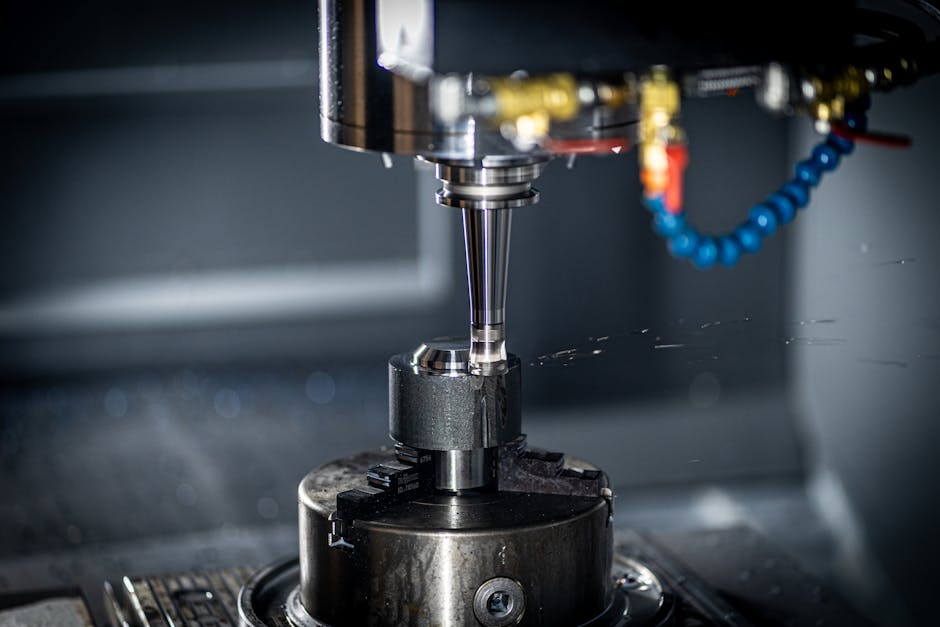
When you think of Grand Rapids, MI, you might picture its beautiful riverfront, vibrant art scene, or growing craft beer industry. But just beneath the surface, Grand Rapids is a powerhouse in precision manufacturing—thanks in part to advanced CNC machining. If you’re searching for "the difference between CNC milling and CNC turning," you’re not alone. Local manufacturers, entrepreneurs, and even hobbyists want to understand which process best suits their project, whether it's prototyping a new product or supporting West Michigan’s thriving aerospace and automotive sectors.
Understanding these two fundamental CNC methods is essential for making the right choice for your business or project. Let’s break down the differences between CNC milling and CNC turning, and why each process has found its place in Grand Rapids’ workshops and factories.
What is CNC Milling?
CNC milling involves a machine with computer-controlled rotary cutting tools that remove material from a workpiece. The cutter can move along multiple axes, allowing for the creation of complex parts and shapes.
- How it Works: The workpiece is held stationary on a table (often by a vise), and the rotating cutting tool moves around it to carve out the desired shape. CNC milling machines usually operate in three or more axes (X, Y, Z), enabling intricate detailing and complex geometries.
- Materials: Metals like aluminum, steel, titanium, and also plastics and composites—materials common in manufacturing across West Michigan.
- Parts Produced: Milling is ideal for creating flat surfaces, slots, gears, and intricate 3D parts.
- Applications in Grand Rapids: Many local startups and established companies rely on CNC milling for prototyping custom bike components, medical devices, and unique furniture pieces that reflect the city’s design-forward ethos.
What is CNC Turning?
CNC turning, on the other hand, is all about symmetry and rotation. Here, the workpiece itself rotates while a single-point cutting tool removes excess material to create cylindrical or round shapes.
- How it Works: The raw material (like a cylindrical metal bar) spins at high speed while the cutting tool moves along its axis to shape features like grooves, threads, or tapers.
- Materials: Just like milling, CNC turning is compatible with steels, plastics, and non-ferrous metals—materials easily sourced from West Michigan suppliers.
- Parts Produced: Turning is especially effective for producing shafts, bushings, rings, and any parts with rotational symmetry.
- Applications in Grand Rapids: With so many local machine shops serving the automotive industry, CNC turning is a go-to process for producing high-strength axles, pins, and connector parts for everything from pickup trucks to bicycles.
Key Differences Between CNC Milling and CNC Turning
- Movement: In milling, the tool rotates and moves across the stationary workpiece; in turning, the workpiece rotates while the cutting tool stays relatively stationary.
- Geometry: Milling creates complex shapes and contours, while turning excels at cylindrical or round profiles.
- Applications: Milling is favored for flat or irregular parts, while turning dominates for round or tubular components.
- Machinery: CNC mills have a table, spindle, and tool changers; CNC lathes (used for turning) feature a rotating chuck and movable tool post.
How to Choose: Milling or Turning for Your Grand Rapids Project?
Selecting between CNC milling and CNC turning depends on your project's geometry, material, and production goals—factors that Grand Rapids manufacturers consider every day. Here’s a simple way to approach the decision:
- Choose Milling When:
- You need flat surfaces, slots, or complex 3D shapes.
- The part cannot rotate due to its size, shape, or fragility.
- Your design includes pockets, intricate cutouts, or detailed engravings.
- Choose Turning When:
- The final product is primarily cylindrical, round, or tubular.
- You require threaded, grooved, or concentric features.
- The part can be efficiently made from a round bar or rod.
For example, a local brewery upgrading its keg system might use CNC turning for producing precision valve components, while a custom furniture maker might turn to CNC milling for bespoke metal brackets or mounts.
Grand Rapids Manufacturing: Local Lifestyle Meets Advanced Machining
Grand Rapids is known for craftsmanship as much as creativity. The city’s makers, designers, and engineers regularly integrate CNC turning and milling into projects ranging from bike frames to industrial automation equipment. CNC services also support the region's booming craft beer industry—think custom tap handles and personalized bottle openers.
On a larger scale, many local manufacturers rely on CNC machining to support renewable energy and medical device innovation—two sectors growing rapidly in the region. Whether it’s turning precision orthopedic screws or milling wind turbine prototypes, this technology is embedded in the city’s industrial DNA.
Answering Your CNC Questions: FAQ
What is better, CNC milling or CNC turning?
Neither process is “better”—it all depends on the shape and features required. Milling shines for irregular, flat, or complex parts, while turning is perfect for round or cylindrical shapes.
Can both processes work together?
Absolutely. Many advanced parts (like those in medical devices or automotive assemblies) are first turned for rough cylindrical shape, then transferred to a mill for further contouring or slotting.
How do I know which local machine shop in Grand Rapids to use?
Look for a shop that has the right equipment for your design and can provide guidance based on experience with your industry—be it furniture, automotive, or healthcare.
Conclusion: Embracing Precision in West Michigan
Understanding the differences between CNC milling and CNC turning helps Grand Rapids businesses, innovators, and artisans bring their visions to life—efficiently and affordably. As the demand for high-quality, locally-produced components grows, so too does the community’s appreciation for the craft and science of CNC machining.
CNC milling and turning are not merely technological processes—they’re woven into the fabric of Grand Rapids’ industrial heritage and future. Whether you’re new to fabrication or ready to level up your manufacturing process, knowing when to choose milling or turning ensures success in Michigan’s competitive and creative economy.