

 See My Latest Article on HelloNation
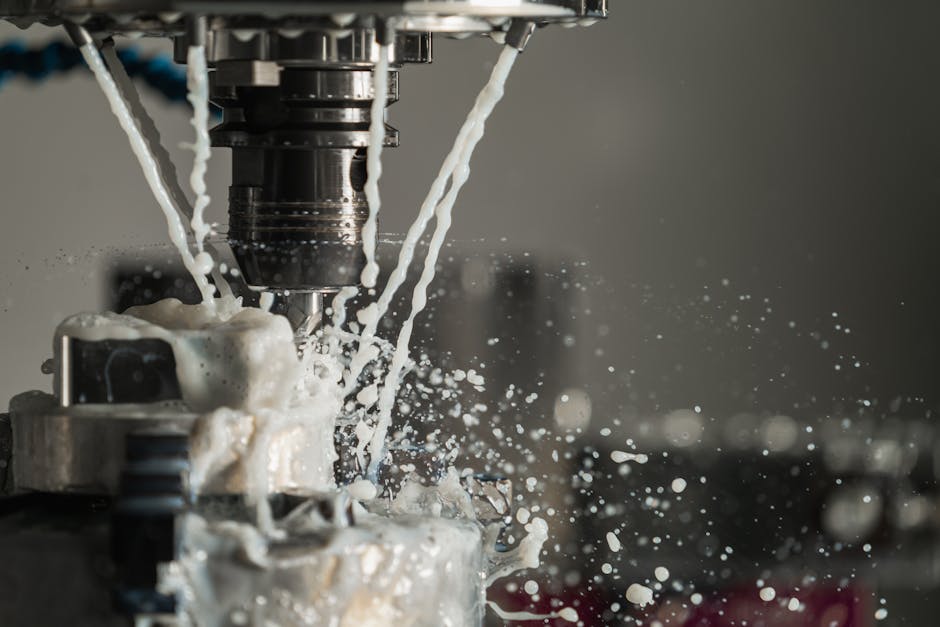
If you’ve ever admired the intricacies of a custom-fabricated part or marveled at the smooth lines on a state-of-the-art bicycle frame, you may have encountered the magic of CNC machining. Grand Rapids, MI, a city known for its strong manufacturing heritage and growing tech scene, is home to a variety of businesses whose products rely on this modern machining method. But what exactly is CNC machining, and how does it shape both our local industry and daily life?
What Is CNC Machining?
CNC stands for Computer Numerical Control. At its core, CNC machining is a subtractive manufacturing process that uses computerized controls to operate machine tools—everything from lathes and mills to routers and grinders. Unlike manual machining, where a skilled operator manipulates the controls, CNC machines follow pre-programmed sequences coded by engineers, ensuring unmatched repeatability and accuracy.
The Basic Process
Here’s how it works:
1. Design: It begins with a digital design, usually created in CAD (Computer-Aided Design) software.
2. Programming: This design is translated into machine code (G-code) that instructs the CNC machine on how to move and cut the raw material.
3. Setup: The machinist mounts the raw material—metal, plastic, wood, or composites—into the machine.
4. Machining: The CNC machine follows the programmed instructions, precisely cutting and shaping the material into the final part.
Why Is CNC Machining Popular in Grand Rapids?
Grand Rapids is a city built on manufacturing, from classic furniture to automotive parts. As automation and advanced manufacturing drive the next wave of local employment, CNC machining fits naturally into the area’s innovative culture.
Local Applications
In Grand Rapids, CNC machining impacts numerous sectors:
- Furniture manufacturing: Many custom fixtures and precision hardware parts for office and residential furniture are produced using CNC mills and routers.
- Automotive suppliers: Components for Tier-1 and Tier-2 auto suppliers are fabricated with high consistency thanks to CNC technology.
- Aerospace and medical devices: With several firms specializing in high-tolerance parts, CNC machining is vital for creating safe, reliable products.
Take a walk through downtown, and you’ll notice how the city leans into design—from public sculptures to boutique bike shops. Many of these products begin as raw materials transformed through CNC machining, showcasing the region’s skilled craftsmanship and modern technology.
How Does CNC Machining Work Step by Step?
To answer the most frequent search-engine questions from curious Grand Rapids residents, here is a step-by-step look at how CNC machining brings ideas to life:
1. Creating a CAD Model
Everything starts with a virtual model. Engineers use CAD software to draw extremely detailed blueprints of the part, specifying every hole, curve, and dimension.
2. Converting to G-code
Next, a CAM (Computer-Aided Manufacturing) program converts the digital model into G-code—a set of commands that direct the CNC machine’s movement and tooling.
3. Setting Up the Machine
A skilled machinist loads the raw stock onto the machine bed or into a chuck, aligns it according to precise measurements, and installs the appropriate cutting tools.
4. Machining the Part
The CNC machine does the heavy lifting, spinning cutting heads at thousands of revolutions per minute and sculpting the part out of the stock. The operator monitors the process, making sure tolerances remain tight—a necessity for the high-quality products Grand Rapids is known for.
5. Inspection and Finishing
After machining, parts are carefully inspected, often with digital measuring tools. If needed, they go through secondary processes like deburring, coating, or assembly before reaching their final destination—sometimes as close as a local brewery, sometimes as far as a new hospital across the country.
The Advantages of CNC Machining
Why has CNC machining become the backbone of modern manufacturing in places like Grand Rapids?
- Precision: CNC machines routinely achieve tolerances as tight as a few thousandths of an inch.
- Repeatability: Need 500 identical parts for your craft brewery equipment? CNC delivers.
- Versatility: From metals to plastics, CNC machines handle multiple materials and product types.
- Efficiency: Automated processes mean faster turnaround and lower labor costs—important for both startups and established manufacturers.
- Customization: Whether it’s a unique bike component or specialized furniture hardware, one-off or low-volume production is no problem.
CNC Machining and the Spirit of Grand Rapids
Grand Rapids is a city that values both tradition and innovation. CNC machining allows local businesses—from family-run machine shops to growing tech startups—to compete globally by combining heritage craftsmanship with digital manufacturing prowess. Local makers find ways to blend artistic flair and technical skill, whether that’s crafting custom tap handles for a new brewery on Bridge Street or precision parts for a medical device startup in the Medical Mile.
The city’s commitment to education also plays a role. Programs at institutions like Grand Rapids Community College prepare the next generation of machinists and engineers, ensuring that advanced manufacturing stays woven into the fabric of the community.
Conclusion: The Future of CNC in Grand Rapids
CNC machining isn’t just a manufacturing trend—it’s a core technology that continues to shape the economic and cultural landscape of Grand Rapids. From sparking innovation in local industries to supporting the craftsmanship the city is known for, CNC machining powers the creations all around us. So on your next stroll through a Grand Rapids farmers market or as you admire the precision of a new art installation, remember: CNC technology is hard at work, helping our community create, build, and thrive.