

 See My Latest Article on HelloNation
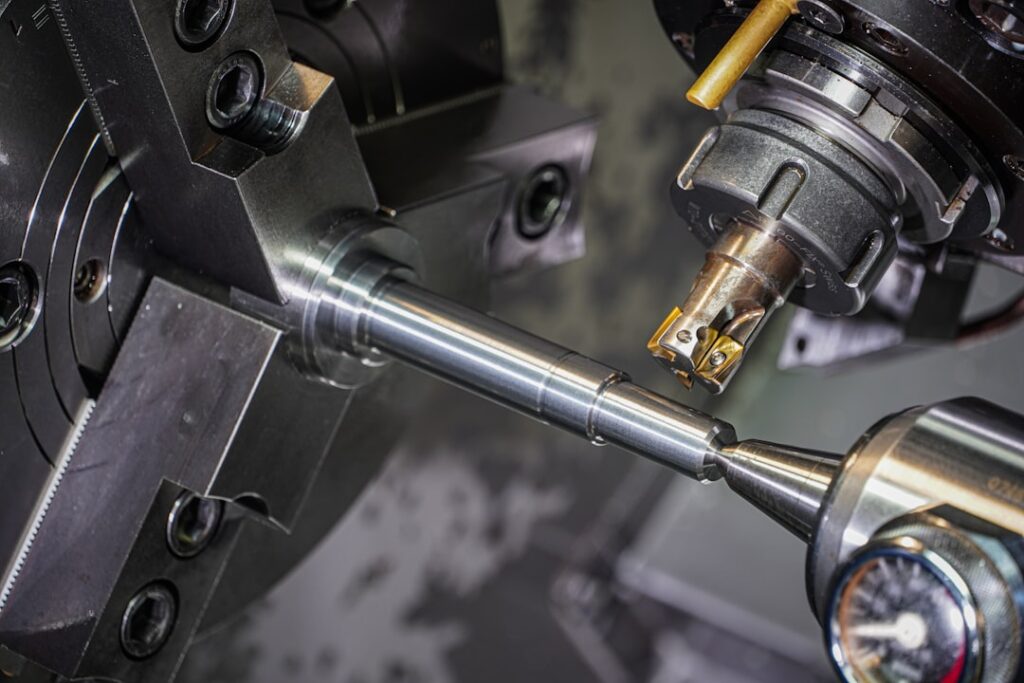
What Errors Happen Most Often With CNC Machining?
CNC machining relies on precise programming, well-maintained machines, and careful setup. Despite the level of automation, certain errors are frequent, even for experienced users in Grand Rapids, MI. The most common mistakes stem from programming issues, tool problems, fixture misalignment, and improper material handling. Recognizing these sources of error helps local operators minimize waste, downtime, and safety risks.
Why Do Programming Mistakes Cause So Many Problems?
Programming errors are a leading cause of faults in CNC machining. These mistakes usually stem from incorrect G-code entries, missing toolpath instructions, or misunderstanding part geometries. Even small typos or decimal misplacements can result in scrap parts or tool crashes.
Residents working in local shops or home workshops may encounter:
- Wrong tool selection codes, causing the machine to use the incorrect end mill or drill
- Missed Z-axis clearance moves, leading to tool collisions
- Transcription errors when entering part coordinates, especially during manual data input
Prevention starts with careful program verification. Simulation software helps visualize toolpaths before running a job. Running smaller test pieces with new code can prevent large material losses. Double-checking all data entries—especially Z-depths and tool numbers—saves time and money in the long run.
How Can Tool-Related Issues Impact Results?
Tool wear or incorrect tool installation can create dimensional errors and poor surface finishes. In some Grand Rapids workshops, tools might be reused beyond their useful life, leading to:
- Unexpected tool breakage from fatigue
- Reduced accuracy due to dull cutting edges
- Tool slip in the spindle if not tightened properly
The best way to manage this is through regular inspection and maintenance schedules. Tracking tool life and replacing inserts or bits at the first sign of wear is a simple, effective practice. Always ensure the tool is seated and locked in the spindle before each job, especially during seasonal temperature swings when tool holders may expand or contract slightly.
What Role Does Workholding and Fixture Alignment Play?
Even perfectly programmed and tooled machines will produce errors if the workpiece is not secured or aligned correctly. In the city, where humidity and temperature can fluctuate widely, fixture materials can shift during machining.
Typical issues in home garages or small community shops include:
- Inaccurate vise squaring, resulting in skewed parts
- Insufficient clamping pressure, causing parts to move mid-process
- Thermal expansion of fixtures during longer runs
To help avoid these problems, always use an indicator to check fixture alignment after clamping. Consider the local environment—cold winter setups might contract slightly, while summer heat could expand both fixtures and parts. Allow material and fixtures to acclimate to shop temperature before starting critical jobs.
Can Material Handling Introduce Unexpected Errors?
Improper material handling before machining often leads to problems down the line. For community members in Grand Rapids preparing workpieces, this can mean:
- Using stock with unseen internal stresses, causing warping as material is removed
- Machining parts before they have reached room temperature, especially if stored in cold garages
- Failing to deburr or clean material surfaces, affecting measurement and fixturing
To reduce risk, let material reach a stable temperature before loading into the machine. Always check for visible defects, residual oils, or burrs that could affect performance. For parts cut from longer bar stock, consider removing a small facing pass first, since ends may have suffered from previous handling or sawing.
What Machine Maintenance Habits Help Limit Errors?
Routine maintenance is crucial to consistent CNC machine performance. Overlooked servicing schedules can result in backlash, out-of-tolerance parts, or sudden breakdowns, which can disrupt small batches and hobbyist projects alike.

Common maintenance-related errors include:
- Excessive backlash in the axis leadscrews, causing dimension drift
- Coolant system blockages, reducing chip evacuation and causing overheating
- Worn way covers or guide rails creating irregular tool movement
To avoid these issues, develop a simple maintenance checklist based on machine usage, not just calendar dates. In damp or dusty garages typical for many area households, check lubrication and clear chip build-up more often, especially during seasons with more atmospheric moisture.
Are Measurement and Inspection Procedures Often Overlooked?
Skipped or rushed measurement steps result in undetected errors. Relying solely on machine readouts without physical inspection tools is a common mistake, especially for those new to CNC work or using basic equipment found in local makerspaces.
Examples of preventable measurement errors:
- Failing to zero a caliper before use
- Not accounting for tool radius compensation in manual calculations
- Measuring parts that are still hot from machining, which can give inaccurate readings
Effective avoidance strategies involve using consistent, well-calibrated inspection tools and double-checking complex or critical dimensions. Allow parts to cool before measurement, as even small temperature differences can change results, particularly during Michigan’s colder months.
How Can Locals Build Good Habits to Prevent CNC Errors?
Developing a checklist tailored to the tools, machines, and environmental realities in Grand Rapids is one of the most effective prevention strategies. Include steps for:
- Machine warm-up routines in unheated shops during winter
- Fixture re-checks after temperature changes
- Verification of tool and program data before starting a run
Setting aside time for dry runs, simulation, and peer reviews—especially in shared workshops and educational settings—encourages a culture of error prevention. Keeping records of both problems and solutions builds valuable local knowledge for the community.