

 See My Latest Article on HelloNation
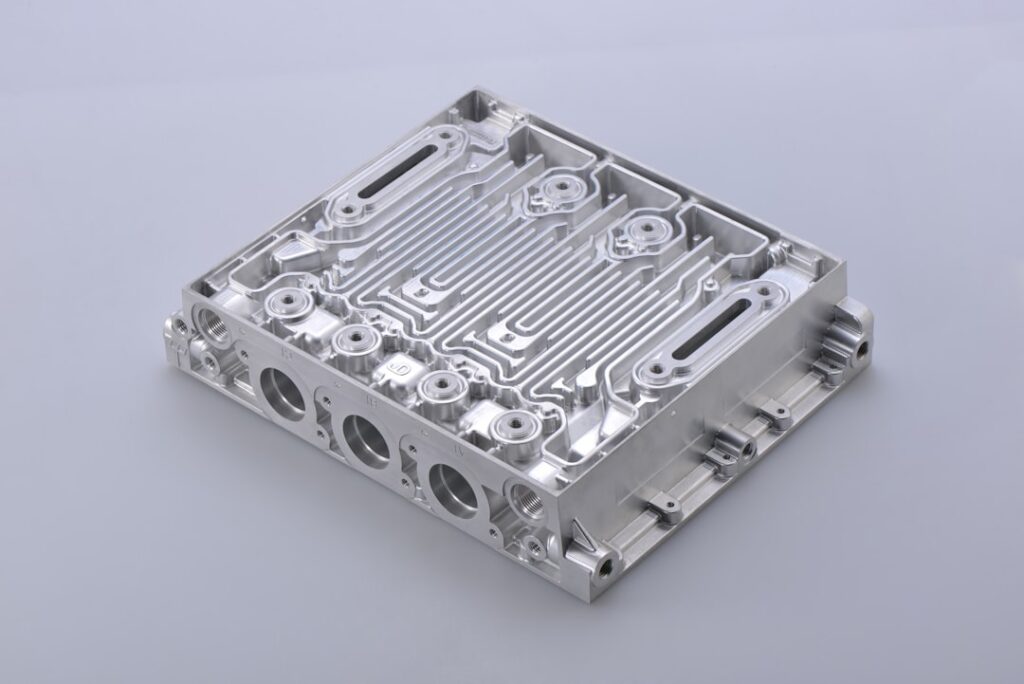
What Does Surface Finish Mean in CNC Machining?
Surface finish in CNC machining refers to the texture, smoothness, and appearance of a part’s exterior after it is manufactured. This finishing quality is more than just visual; it impacts everything from how a part feels to how it fits and interacts with other components. In many local industries, surface finish directly influences performance, safety, and durability.
Residents working on home improvement, hobbyist projects, or light manufacturing in Grand Rapids often encounter questions about why some machined parts are shiny while others are matte, or why some feel rough while others glide smoothly. Surface finish answers these questions by quantifying and standardizing these qualities.
Why Do Surface Finishes Matter for Local Projects?
Surface finish is crucial for function, longevity, and practicality, especially in settings affected by local climate and use. In Grand Rapids, changes in humidity and temperature can accentuate roughness on metal parts, potentially leading to faster corrosion in garages or unheated workshops.
A smoother surface:
- Reduces friction between moving parts
- Minimizes accumulation of dust, dirt, or moisture
- Is easier to clean—a factor valued by area residents with home shops or DIY labs
Meanwhile, certain parts require intentional roughness to promote paint or adhesive bonding, particularly when adapting materials for cold winters or wet springs in the city.
How Are Surface Finishes Measured and Specified?
Surface finishes are commonly defined using measurements like Ra (roughness average), which gives a numerical value for the average peaks and valleys found on the part’s surface. The smaller the Ra number, the smoother the finish.
Local CNC machine shops and hobbyists in Grand Rapids often encounter these specifications in millimeters or microinches, depending on the blueprint or purpose:
- Ra 3.2 µm (moderate machine finish, typical for many utility parts)
- Ra 0.8 µm (fine finish, common for visible or moving components)
- Ra 0.2 µm or better (precision parts, used in sensitive assemblies or medical devices)
Without proper communication of the required surface finish, there’s a risk of mismatches between what’s made and what’s needed, leading to wasted time or reworking, something area residents working on restoration or repairs would rather avoid.
What Are the Most Common Surface Finishing Techniques?
Several methods are used to achieve desired surface qualities in CNC-machined parts. Some of the most relevant for Grand Rapids-area projects include:
- As-machined: No additional processing beyond basic CNC cutting. Typically leaves visible tool marks—suitable for hidden or utility parts.
- Polishing and buffing: Produces a mirror-like finish, often used for household fixtures, decorative items, or custom automotive parts.
- Sandblasting or bead blasting: Creates a matte, uniform texture that can hide tool marks and prep parts for coating.
- Anodizing or coating: Adds both color and a protective layer—especially helpful in damp basements or garages to prevent rust.
- Brushing: Creates a linear, textured pattern (often seen on metal trim).
Each finishing method affects cost, appearance, and function, so matching the process to the project’s real-world conditions is a key step for local makers, students, and tinkerers.
Do All Projects Need a Perfectly Smooth Surface?
Not every part benefits from maximum smoothness. A common misconception in the community is that the shiniest or smoothest finish is always best. In reality, smoother surfaces can increase machining time and cost without adding practical value.
Examples where rougher finishes are sometimes preferable:
- Internal parts not exposed to view
- Surfaces requiring strong adhesive bonds (roughness increases surface area)
- Mechanical grips or tools where slip-resistance is valuable

Household repairs, farm equipment fixes, and DIY projects around the city often benefit from a balanced approach, selecting the finish that matches the part’s job.
How Do Environmental Factors in Grand Rapids Influence Surface Finish Choices?
Local climate, indoor/outdoor use, and exposure to the elements all help shape the right finish for any CNC part:
- Parts stored in damp garages or sheds may require corrosion-resistant finishes.
- Outdoor fixtures exposed to lake-effect humidity or winter road salt need layers that resist oxidation.
- Pieces used in basements prone to condensation may benefit from smoother surfaces to prevent buildup and make cleaning easier.
Planning for these real-world factors, rather than aiming only for visual appeal, helps community members get more lasting results.
What Are Practical Tips for Selecting or Maintaining Surface Finish?
Residents looking to select an appropriate finish should:
- Review the part’s purpose and exposure: Will it be seen? Will it move against another surface? Will it face harsh conditions?
- Check technical drawings or supplier documentation for Ra values or finish notes.
- Consider post-machining treatments (coatings, primers, or sealants) suitable for Michigan’s seasonal changes.
For maintaining surface quality:
- Clean with non-abrasive cloths and avoid harsh chemicals—especially important in local homes using tap water with varying mineral content.
- Store spare parts in dry, insulated spaces. Humidity swings can dull finishes and accelerate rust on untreated metals.
Awareness of these details can boost durability and reduce the need for frequent repairs or replacements, adding value to hobby or professional projects throughout Grand Rapids.