

 See My Latest Article on HelloNation
How Do CNC Machining and 3D Printing Compare for Local Projects?
CNC machining and 3D printing are both valuable manufacturing methods used in the Grand Rapids, MI area for making parts, tools, and prototypes. The biggest difference is that CNC machines remove material from a solid block, while 3D printers build objects layer by layer from raw material. Residents often wonder which approach fits their project needs. The answer depends on several practical factors—material, part strength, budget, turnaround time, accuracy, and more.
What Are the Main Differences in How They Work?
CNC machining is a “subtractive” process: it starts with a solid piece of metal, plastic, or wood, and cuts away material with high-precision tools as directed by computer code. This results in very strong, accurate parts—ideal for local fabrication shops and hobbyists needing durable or functional components.
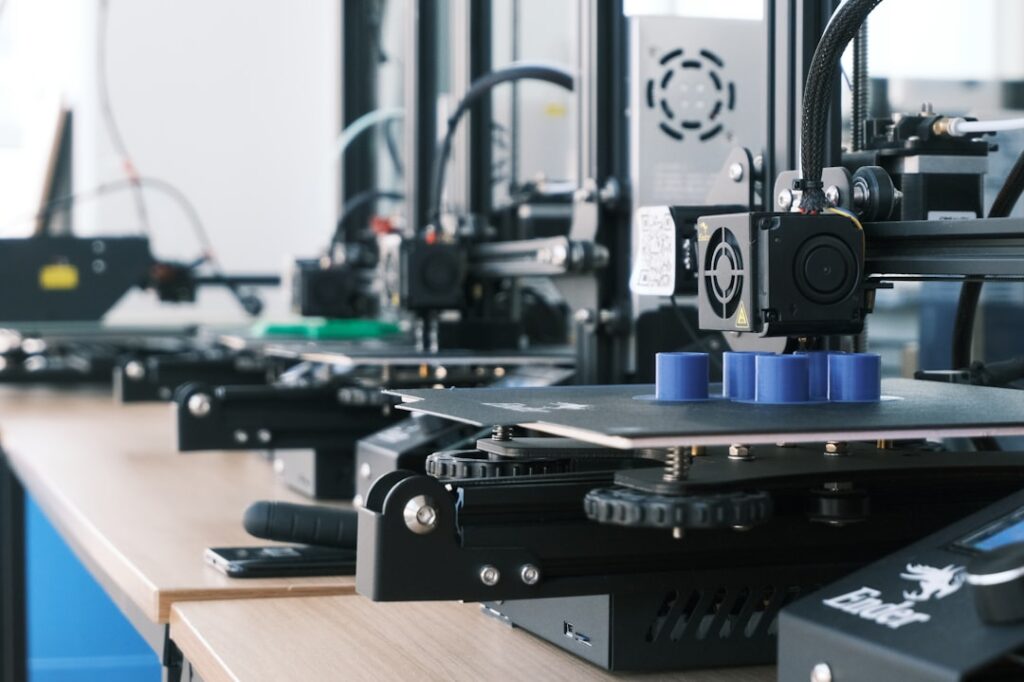
3D printing is an “additive” process: an object is built up by melting or solidifying materials layer by layer following a digital design. Options include plastics, some metals, and composite filaments. This method is effective for quickly producing shapes that would be difficult or expensive to carve out by hand or with CNC machines.
Which Method Is Better for Strength and Durability?
For Grand Rapids residents needing parts with high mechanical strength or resistance to Michigan’s seasonal temperature swings, CNC machining usually delivers superior results. CNC parts, especially those made from metals like steel or aluminum, can handle higher loads, impacts, and weather extremes common in area workshops, garages, and even outdoor fixtures.
3D printed items may be strong enough for light or decorative uses but often don’t match the durability or wear resistance of machined components. Some advanced 3D printers can handle strong composite materials, but for heavy-duty repair jobs or car parts frequently needed in the region, CNC remains the more trusted option.
Is One Method Quicker or Cheaper for Short-Run or Custom Jobs?
For a single prototype or a custom-shaped item, 3D printing can be much faster and more affordable. There’s no lengthy setup to create cutting tools or detailed programming, and users can go from digital file to finished part in just hours. This makes 3D printing appealing for residents experimenting with new designs, fixing odd-size plumbing connectors, or replacing small plastic parts in household fixtures.
For larger batches, especially where each piece needs to meet tight tolerances, CNC machining tends to be more efficient. Although initial programming and setup require time, each part comes out nearly identical, making CNC machining practical for local manufacturing runs or equipment upgrades.
What About Precision and Surface Finish?
CNC machines, especially those used in Grand Rapids fabrication shops, are prized for top-notch accuracy—often reaching tolerances far tighter than typical 3D printers can achieve. Finished surfaces are smoother, and holes or slots are more precisely cut.
3D prints often have visible layer lines, and finer details can sometimes be lost, depending on printer quality and material. Post-processing (like sanding or coating) is needed for parts used in visible locations. For residents who need parts to slot together tightly with power tools or machinery, CNC machining gives a more reliably precise result.
Are There Local Factors in Grand Rapids That Make One Method More Practical?
Residents of Grand Rapids, like many Midwestern communities, experience wide temperature swings and humid seasons that can affect material stability. CNC-machined metal or high-grade plastic parts resist warping, swelling, or cracking much better than most 3D-printed alternatives. This is especially noticeable in garages, sheds, and outdoor spaces where climate control is limited.
Local makers frequently note that 3D printed items made from standard plastics can deform in hot cars, attics, or outside in summer. CNC-made parts are less prone to these issues. Still, for a quick fix or indoor-only use, 3D printing remains a handy and flexible solution.
What Are Common Misconceptions About These Methods?
- Not every part that can be 3D printed should be—load-bearing or safety-related parts often need machined strength.
- CNC machines aren’t only for metal—they can handle many plastics and soft materials with high precision.
- 3D printing is not always cheaper: for large, solid objects, material cost and print time add up quickly.
- Both methods need accurate digital designs; a good file is as important as the machine itself.

Which Method Is More Accessible for Area Residents and Hobbyists?
Entry-level 3D printers are widely available for home use, and many residents experiment with them for craft projects, household repairs, or even custom decor. For those curious about new technology or designing their own pieces, 3D printing offers a gentle learning curve.
CNC machines can be complex and require more setup, safety precautions, and space. Hobbyists can access desktop CNC mills, but these are more suited for those with a background in tool use or digital fabrication. For many in the Grand Rapids community, CNC machining is encountered through local maker spaces, schools, or shared workshops.
When Should You Consider Each Method?
- Choose CNC machining for: replacement parts needing strength, metal components, objects exposed to heat/cold, or jobs needing high accuracy.
- Choose 3D printing for: rapid prototypes, custom shapes or decorations, lightweight fixtures, or experimental projects.
Understanding the tradeoffs between CNC machining and 3D printing helps Grand Rapids residents make confident choices for both household and workshop needs—whether fixing equipment, trying new ideas, or learning fabrication skills.