

 See My Latest Article on HelloNation
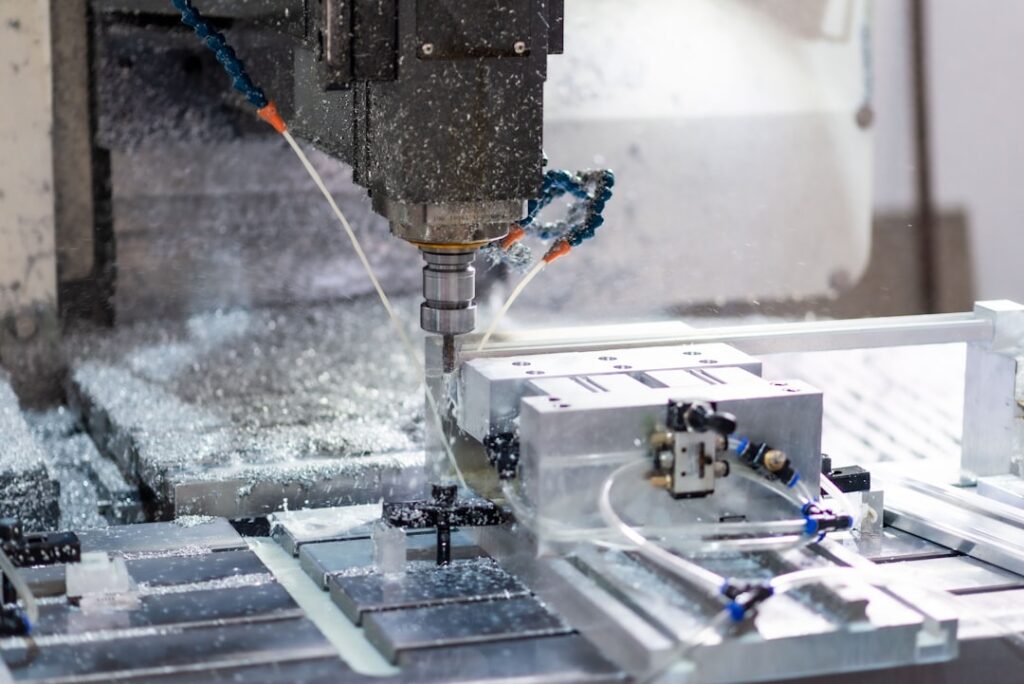
Is Stainless Steel a Suitable Material for CNC Machining?
Yes, stainless steel can be machined using CNC methods. Residents and makers in Grand Rapids, MI working with metal fabrication or maintenance projects often encounter stainless steel, valued for its corrosion resistance and strength. While it poses some unique challenges compared to softer metals, CNC (Computer Numerical Control) technology is fully capable of producing precise and repeatable results with stainless steel parts.
What Makes Stainless Steel Appealing for Projects in Grand Rapids?
Stainless steel is widely chosen in this area due to its combination of durability and resistance to the humid summers and icy winters seen throughout West Michigan. Homes, manufacturing setups, and even local art installations may use stainless steel for:
- Outdoor fixtures that must resist rust and snowmelt
- Food-grade surfaces in home kitchens and local businesses
- Mechanical components exposed to variable weather
Its longevity and relatively low maintenance needs make stainless steel a practical choice—even more so in a climate where basic steel might corrode quickly.
Can All CNC Equipment Machine Stainless Steel?
Not all CNC machines and setups are created equal when working with stainless steel. The process involves higher cutting forces and more rapid tool wear than with milder metals like aluminum. Most modern CNC mills and lathes can handle stainless steel, provided they are equipped with:
- Rigid frames to resist vibration
- High-torque spindles
- Coolant delivery systems to dissipate heat
Shops, hobbyists, and local schools in Grand Rapids often need to verify that a CNC system’s tools and cutting speeds match the specific grade and thickness of stainless steel they are planning to use.
What Unique Challenges Does Stainless Steel Present?
Stainless steel’s toughness and work-hardening properties create several common machining challenges:
- Tool wear: Cutters dull faster than on mild steel or aluminum
- Heat generation: Stainless steel doesn’t dissipate heat quickly, leading to potential warping or hardening of the workpiece
- Surface finish: If speeds and feeds are not set properly, parts may show roughness or tool marks
This means careful setup, correct selection of cutting tools (like carbide), and appropriate use of lubricants or coolants. For local educational programs or hobby projects, these steps are important to keep in mind.
Are There Different Grades of Stainless Steel Used Locally?
Yes, not all stainless steels are identical, and their machinability varies. The most commonly encountered types in the Grand Rapids community include:
- 304: General-purpose, food-grade, and commonly found in appliances and kitchen hardware. Relatively tough to machine but widely available.
- 316: Used where greater chemical resistance is required, such as near lakes or industrial areas. Even tougher to machine than 304.
- 303: Specifically formulated for easier machining, often chosen for fasteners and connectors.
Choosing the appropriate grade affects how easily a project moves from the design stage to completion—and guides the process parameters on local CNC machines.
What Are Common Applications for CNC-Machined Stainless Steel in Grand Rapids?
Stainless steel CNC machining is important for numerous everyday and industrial uses across the city, including:
- Custom brackets or parts for home repairs during renovations or severe weather
- Bike racks and outdoor public fixtures that need to resist road salts
- Repair of food processing equipment and brewery systems
- Medical device prototyping for local healthcare development

CNC technology enables area residents and organizations to address unique needs—especially when off-the-shelf solutions would corrode or fail prematurely in local climate conditions.
Are Any Special Safety or Environmental Issues Involved?
While machining stainless steel brings no city-specific hazards beyond basic machine shop practices, some details matter locally:
- Machining produces fine metal chips, which should be properly disposed of per local waste guidelines.
- Coolants and lubricants, sometimes necessary for stainless steel, may need safe handling due to their chemical components.
- Any dust or debris created must be managed to avoid respiratory irritation, especially during the dry, windy spring months.
Local guidelines for metalworking safety, as taught in area high schools and technical centers, provide helpful direction to individuals working on projects at home.
What Should Residents Know Before Attempting CNC Machining of Stainless Steel?
Machining stainless steel demands a bit more preparation than many metals. For those working on personal projects, repairs, or educational builds:
- Use sharp, high-quality cutters—carbide or better
- Expect slower cutting speeds than with softer metals
- Plan for several passes if working with thicker pieces
- Allow for tool cooling and frequent checks for wear
Those using community makerspaces or school labs should always check what grades of stainless are supported by posted equipment policies.
Are There Misconceptions About Stainless Steel Machinability?
Many assume that stainless steel is "too hard" or "impossible" to machine accurately—this isn’t true. With appropriate tools, correct setup, and patience, CNC machinery can produce detailed, repeatable results for nearly any household or prototype need. Improper preparation or using worn tools are the more common causes of frustration.
Why Does Stainless Steel Machining Matter for Local DIY and Repair?
Given the varied seasons and heavy reliance on durable infrastructure, area households and property managers often choose stainless components for repairs and improvements. CNC machining ensures these parts can be manufactured (or re-made) accurately—even for unique situations that standard stores can’t address.
Whether updating a kitchen, tackling a restoration, or venturing into creative fabrication, understanding CNC machining for stainless steel helps the Grand Rapids community get the most from this versatile—and sometimes misunderstood—material.