

 See My Latest Article on HelloNation
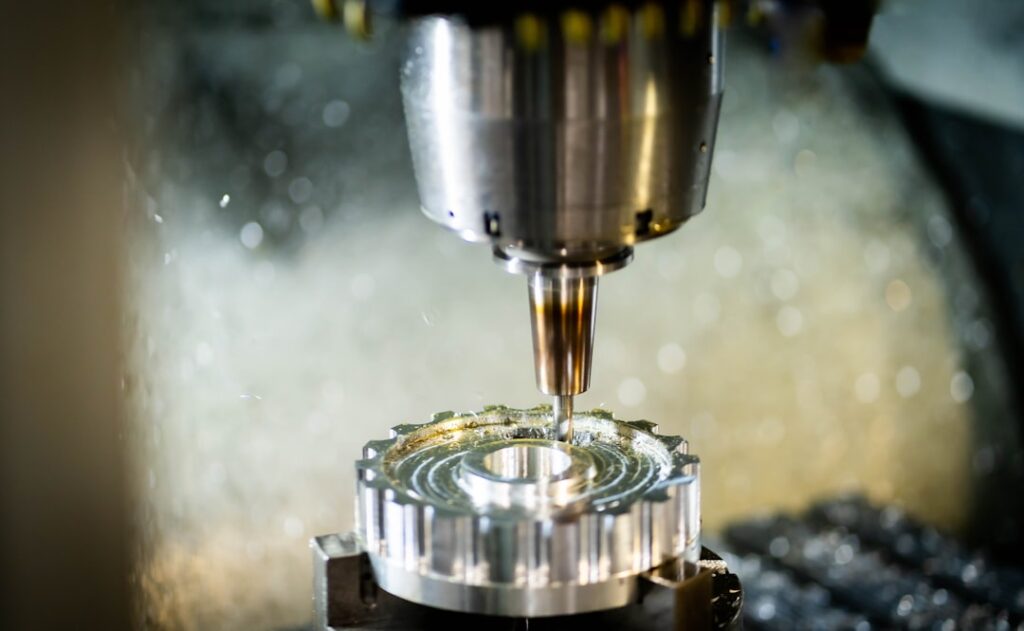
What Does "Precision" Mean in CNC Manufacturing?
Precision in CNC (Computer Numerical Control) manufacturing means that parts are made to exact measurements with extremely tight tolerances. This is important in applications where even a small error could cause a part to fail or not fit with other components. In Grand Rapids, MI, where manufacturing expertise is a longstanding tradition, many industries rely on CNC-machined parts for machinery, automotive components, and even household appliances. A part is considered precise if its dimensions consistently match what the design requires, often measured within thousandths of an inch.
How Are CNC Parts Designed?
The process starts well before any material is cut. First, engineers create detailed 3D models using CAD (Computer-Aided Design) software. These digital models specify exactly how the finished part should look and function.
- Designers include all important measurements, tolerances (acceptable ranges for each dimension), and any special features such as holes, threads, or grooves.
- In many cases, local engineers will review designs for manufacturability, double-checking that the part can be machined with available tools and processes in Grand Rapids.
After the CAD model is finalized, it's converted to a digital format that guides the CNC machine — often called a CAM (Computer-Aided Manufacturing) file.
What Happens Inside a CNC Machine?
CNC machines operate by following computer instructions, which tell motors and cutting tools exactly where to move. Here’s what typically happens:
1. The chosen raw material (metal or plastic) is securely mounted inside the machine.
2. The CAM file feeds the CNC machine a series of precise commands.
3. The machine’s cutting tool moves along programmed paths, removing material until only the finished part remains.
The machine repeats these instructions exactly, which means every part produced should be nearly identical, assuming all other conditions remain constant.
Which Materials Are Most Commonly Used?
Precision CNC machining in Grand Rapids uses a range of materials, each chosen based on how the final part will be used:
- Aluminum and stainless steel are popular due to their strength and resistance to rust.
- Brass is often used for fittings and decorative parts because of its machinability and appearance.
- Plastics such as Delrin or nylon are used where weight, cost, or specific chemical properties matter.
For local residents, the material choice may reflect seasonal factors. For example, parts for equipment that operate outdoors in the city’s diverse climate need to withstand temperature swings and moisture.
How Do Machinists Ensure Accuracy?
Even though CNC machines are highly automated, machinists play a critical role in ensuring each part meets the design requirements. In Grand Rapids, trained operators:
- Calibrate machines before starting production to ensure alignment and tool precision.
- Measure the first few parts very carefully using micrometers, calipers, or coordinate measuring machines.
- Make small tool or program adjustments if measurements begin to drift.
- Routinely inspect random parts within a batch to catch inconsistencies early.
Attention to detail is crucial, especially for parts used in safety-critical applications.
What Steps Are Involved in Quality Control?
After machining, every part undergoes quality control checks:
- Visual inspection for surface flaws, scratches, or burrs.
- Dimensional inspection using specialized gauges to confirm all sizes are within specification.
- In some cases, tests may be performed to check the part’s performance under pressure, heat, or other physical stressors.

These extra layers of inspection help prevent defective parts from reaching local manufacturers, equipment repair shops, or other end users in the area.
What Are Some Common Misconceptions About CNC-Machined Parts?
Precision does not always mean complexity. Many residents imagine CNC machines only make intricate parts, but the technology is also ideal for simple shapes that need consistent accuracy. Another misconception is that CNC parts are always “better” than alternatives like 3D printing or casting. In reality, the best technique depends on quantity, material, and the type of part needed.
Additionally, some believe that the process is fully automated and doesn’t need human oversight. While automation plays a big role, local technicians and engineers invest significant expertise at every stage — from programming and material selection to final inspection.
How Does the Grand Rapids Climate Affect CNC Machining?
Local conditions sometimes impact the process and material choices. For example:
- Metal expands and contracts slightly with temperature changes. Precision is maintained by storing raw materials and finished parts in temperature-controlled environments.
- Humidity can affect sensitive measuring instruments, so shop humidity is often regulated to prevent drift in highly precise measurements.
These precautions ensure CNC parts used in home equipment, industrial machinery, or even bicycles meet performance standards year-round in the Grand Rapids area.
What Types of Products Rely on Precision CNC-Machined Parts Locally?
Residents may encounter CNC parts in:
- Agricultural machinery handling seasonal crops and soil conditions.
- Automotive repair parts — especially engines and transmissions found in family vehicles.
- Medical equipment used in local clinics and hospitals.
- Custom components for furniture and home fixtures, tailored to architectural styles common throughout the city.
Each product category benefits from CNC machining’s balance of accurate replication and flexibility for unique projects.
Are There Special Safety or Environmental Considerations?
CNC manufacturing involves high speeds, sharp tools, and occasional use of coolants or cutting fluids. Local workshops follow strict safety protocols for operators and maintain systems to handle waste fluids responsibly.
Environmental guidelines in the area encourage efficient recycling of metal shavings and proper disposal of any hazardous waste. This helps keep local neighborhoods clean while supporting the city’s longstanding commitment to sustainable industrial practices.