
 See My Latest Article on HelloNation
What Does It Mean to Optimize a Design for CNC Machining?
Optimizing a design for CNC machining means making choices during the design phase that reduce cost, improve manufacturability, and prevent avoidable complications at the machine shop. For those in Grand Rapids, MI, where manufacturing is a core part of local industry, practical changes early in the process can save material, reduce machine time, and help projects run smoothly—whether it’s a one-off prototype or ongoing local production.
Design optimization involves understanding the capabilities and limits of common CNC equipment, the best ways to minimize waste, and how to make each project more reliable. Small adjustments often prevent big slowdowns.
Why Are Local Projects Affected by Design Choices?
Choices made during digital design affect how quickly, precisely, and affordably a part can be machined. Grand Rapids, with its seasonal climate and varied industrial needs, also faces considerations like:
- Material availability, sometimes affected by winter supply chain delays
- Facility resources, which may change depending on neighborhood or the type of working space (home shop, educational lab, or manufacturing facility)
- Energy costs, which influence how much extended machine runs affect a project budget
Thoughtful design eases production for residents working in diverse spaces, from dedicated workshops to home-based setups.
Which Features Should Be Simplified or Avoided?
Starting simple reduces headaches. Most standard CNC milling and turning machines work best with features that:
- Avoid deep or narrow pockets, as these require special tools and slow speeds
- Use the largest possible minimum internal radius (corner radius) to increase tool life and reduce stress points—avoid sharp inside corners
- Minimize undercuts or features that need custom tooling, as they add time and cost
- Limit very thin walls or complex surface contours, which can be fragile and hard to hold during machining
For example, a part requiring a 2mm-wide slot 40mm deep will likely warp, chatter, or need special tools. Widening that slot, making it shallower, or splitting it into two features can mean the difference between an affordable part and a machining challenge.
How Do Material Choices Impact CNC Machining Results?
Material selection significantly changes machining speed, tool wear, and total cost. In Grand Rapids, varied weather can sometimes impact storage and finishing, especially for metals prone to corrosion.
Popular local choices include:
- Aluminum: Easy to machine, relatively inexpensive, and widely available in the city
- Steel: Stronger but wears down tools faster and may require more frequent tool changes
- Plastics: Suitable for lighter-duty parts, but may warp if stored in unheated garages during winter
Ask yourself:
- Is this material readily available from regional suppliers?
- Will it hold up to seasonal shifts (cold winters, humid summers)?
- Could a lower-cost or easier-to-machine alternative meet my needs?
What Design Steps Help Reduce Waste and Cost?
Many local designers, students, and hobbyists forget that every gram of material and hour of machine time adds up. To minimize waste, try:
- Designing parts to nest together if possible (sharing a raw material blank)
- Reducing non-critical surface finishes; smooth but non-polished is generally faster and cheaper
- Avoiding unnecessarily tight tolerances (such as +/- 0.01mm when +/- 0.1mm is acceptable)
- Using standard stock sizes—designing a part to fit within sizes commonly sold at local hardware suppliers

These steps reduce material scrap and allow shops or makers to batch more parts per run, a practical benefit for anyone coordinating community projects or collaborative builds.
How Should Parts Be Oriented and Supported?
A key reason that parts become difficult to produce is poor orientation. By designing for the most stable, flat orientation available:
- You allow maximum surface contact with the machine bed
- Reduce the need for complicated fixturing or multiple setups, which can introduce errors
Support ribs, tabs, and small holding features can be worked into low-visibility areas of a part to help during machining and are easily removed later. For larger parts or lighter materials, consider how to avoid vibrations (common in older garages or community spaces with concrete floors, which can vibrate more in winter as the ground shifts).
What Common Errors Should Be Avoided at the Design Stage?
Residents new to CNC often make parts that:
- Include text or branding that’s too small to be machined cleanly
- Ignore the reach length of typical tools (which are usually under 4x their diameter)
- Fail to account for how sharp internal corners will need to be rounded (tool diameter sets the limit)
- Specify features that can’t physically be reached by the cutting tool (inside small holes, deep channels, or overlapping features)
Double-checking designs using a digital simulation or printout helps spot these issues before machining begins.
What Documentation Should Be Provided for Machining?
Clear, precise documentation prevents errors and frustrations—especially for work sent between home designers and school or community machine shops:
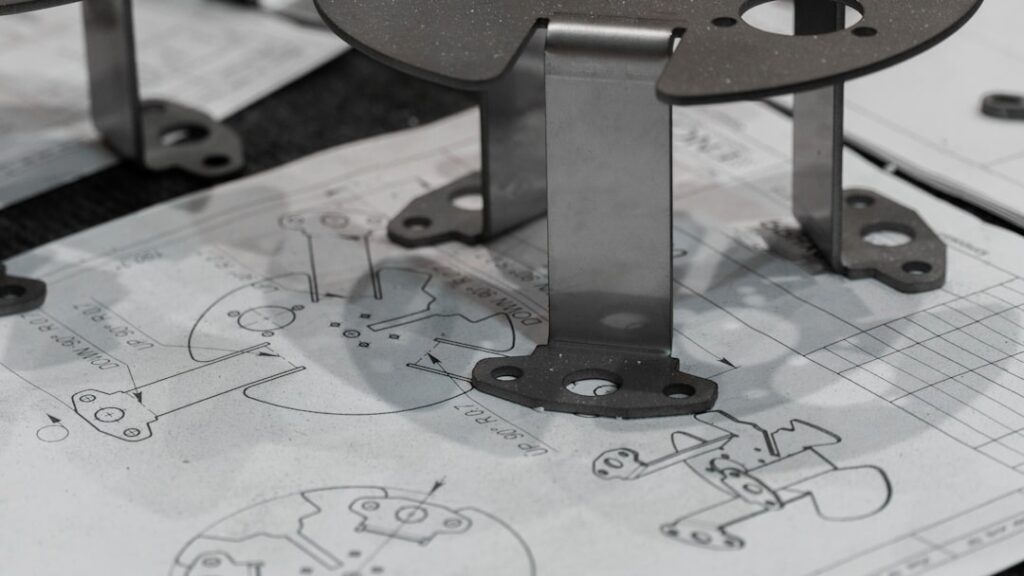
- Always include a 2D drawing with key overall dimensions, critical tolerances, and a clear indication of which features are most important
- Label material type and grade, and make note of any surface treatment needs (for example, if a part will be exposed to salty winter roads)
- Consider providing a 3D model file, as most CNC shops use these for toolpath generation
In the Grand Rapids area, where people may collaborate between multiple locations, consistent and legible notes on documents go a long way toward keeping projects on track.
How Can Residents Learn More About CNC Design Locally?
Residents seeking hands-on learning can look for local workshops or make use of school-based technical programs. Many community centers and library programs also offer introductory courses on digital design and fabrication. Connecting with neighbors or educators working on similar projects can help fill knowledge gaps and improve results. If your project will face exposure to winter conditions, ask peers about finishes and treatments specific to the regional climate.