

 See My Latest Article on HelloNation
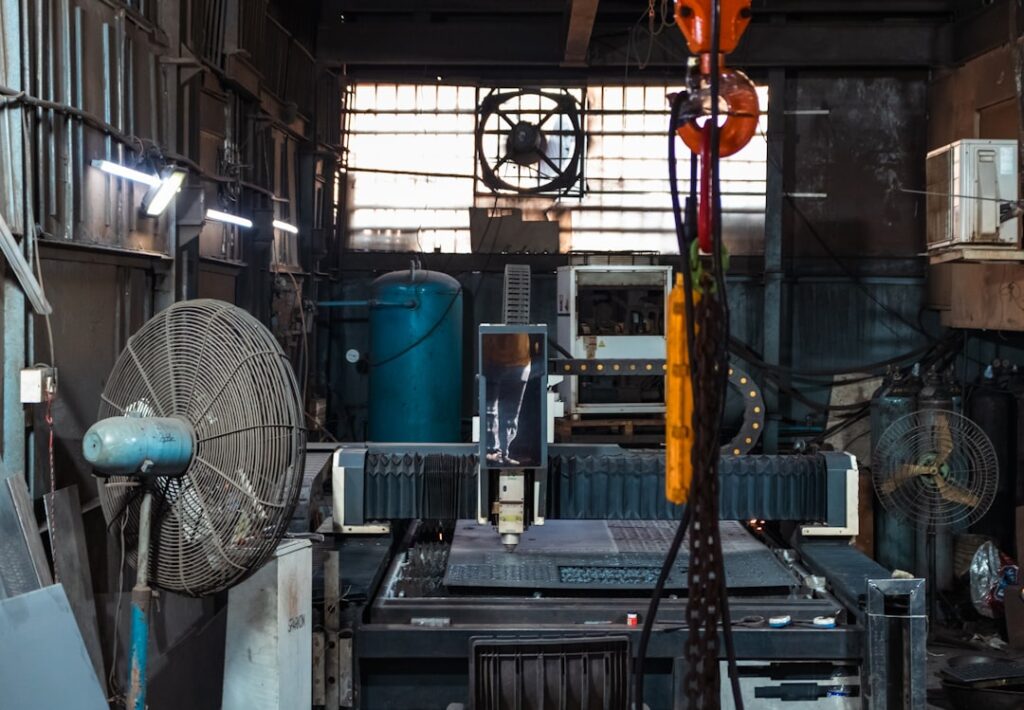
How Does CNC Machining Ensure Greater Precision?
CNC (Computer Numerical Control) machining stands out for its ability to produce components with a high level of precision. The process uses programmed instructions to control machinery, eliminating much of the variability seen with manual techniques. In practical terms, this means that each part produced is nearly identical, even when hundreds or thousands are made.
For residents of Grand Rapids, this level of precision proves valuable in sectors ranging from automotive to aerospace, which contribute to local employment and supply chains. CNC technology can hold tolerances as tight as a few micrometers, which can be crucial for parts that need to fit together exactly—such as those in household appliances or even in medical devices used at area hospitals.
What Role Does Automation Play in Reducing Human Error?
Automation in CNC machining minimizes the chance for human error, which can be common in traditional manual machining. The programming directs the cutting tools, feeds, and speeds, reducing reliance on operators for repetitive tasks.
- Consistent results are achieved because the same process runs each time, regardless of operator fatigue.
- Errors due to manual measurement or adjustment are largely removed, making the process more reliable for local industries that require dependable parts—especially during seasonal production spikes when demand might add strain on labor.
How Does CNC Machining Improve Material Efficiency?
By allowing tight control over every stage of the machining process, CNC systems use exactly the amount of material necessary, reducing waste.
In the context of Grand Rapids, where many manufacturing jobs depend on cost-effective production, this can lead to less scrap metal and less need for excess raw materials. Over time, improved efficiency has an environmental benefit for the community: less material goes to landfill and fewer resources need to be mined or transported into the area.
Can CNC Machining Handle Complex Designs?
CNC technology excels at producing parts other methods can’t easily make. Advanced equipment can cut, drill, or shape intricate curves and detailed features, following digital blueprints with extreme accuracy.
For example, some local companies that supply custom parts for cycling or outdoor equipment rely on CNC machining for complex, lightweight designs that manual methods would struggle to replicate. Residents seeking unique fabricated items or custom restoration parts benefit from this technology, which allows for creative flexibility alongside strict quality control.
What About Quality Control and Inspection?
Quality control is a primary concern for many industries in Grand Rapids. CNC machining incorporates digital inspection and measurement systems that can check parts as they are produced.
Automatic inspections, such as laser scanning or coordinate measuring machines, can:
- Catch deviations early in the process, minimizing costly rework.
- Provide digital records, essential for industries with regulatory requirements or traceability needs.
- Allow operators to spot process drift before large numbers of parts are affected.

This level of scrutiny ensures fewer defects reach the community—whether those are components in vehicles, industrial tools, or local utility equipment.
How Do Consistent Parts Support Local Repair and Maintenance?
Consistent, high-quality parts produced by CNC machining mean that repairs or replacements can be performed efficiently. In local contexts—such as municipal services, school equipment, or contractor tools—having access to standardized components reduces downtime.
For example, if a piece of equipment at a local school or utility facility breaks, precise replacement parts manufactured using CNC methods will fit right the first time. This helps keep essential services running smoothly in the community.
Are There Environmental or Safety Benefits for the Area?
There are secondary benefits for Grand Rapids, too. With more accurate parts, machines experience less wear and require fewer repairs, extending their lifespan. Additionally, CNC machining tends to generate less waste material and can often recycle or repurpose offcuts more easily.
In terms of workplace safety, automation reduces the direct handling of tools and heavy materials, lowering the risk of accidents for machinists in the region. This contributes to a safer environment for both workers and the surrounding neighborhoods.
What Are Some Misconceptions About CNC Machining and Product Quality?
A common misconception is that CNC machining is only useful for high-volume manufacturing or the most technical industries. In reality, local artists, hobbyists, and small-scale fabricators also utilize this technology for one-off or short-run products that demand a high level of quality and detail. Another misunderstanding is that CNC’s benefits are only about speed; while faster production is an advantage, it’s the repeatability and error reduction that most directly impact product quality.
Is CNC Machining Always the Right Choice?
Not every project demands the tight tolerances or automated precision CNC provides. For simple builds or designs that do not require intricate shapes, traditional methods might suffice or offer cost savings. In Grand Rapids, as across the country, the choice of process should always be matched to the specific needs and standards of the job—not just the technology available.